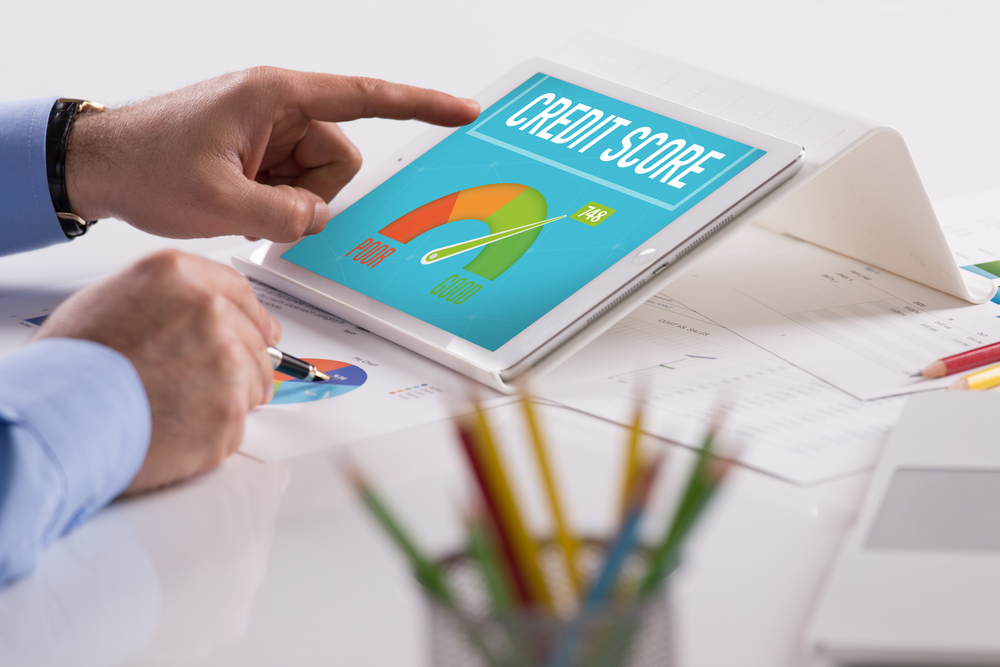
There are some people that are worried about the risk of online banking. There are quite a few possible risks such as someone intercepting the data and stealing your bank details or accidently giving your details to a phishing site and either way you could have money stolen. They are ways to protect against this and banks will also do everything that they can to help out and recover the money. There are a lot of advantages of online banking too which is why many people think that it is worth the risk.
Can Bank at Any Time
The fact that it is possible to bank any time can be extremely useful. It means that you will be able to check you balance, move money around etc whenever you wish to. This can be very handy and if you work during normal banking hours it can be even better. It also means that you do not have to make the journey to a branch to do the things that you need which could be especially helpful if you have mobility issues or if there is not a branch local to where you live. With banks shutting more and more branches it could be even trickier to be able to find one that will be able to help you out.
Easier to Budget
If you are able to keep checking how much your balance is then it will be easier for you to budget. You will be able to keep track of your spending and will be able to make sure that you are not spending more than you can afford to. It will help you to easily look back at previous months too so you can work out what payments you are likely to need to make and how much money you will need for them. You could keep things written down, but sometimes payments go through the bank without you getting paperwork and so it can be a lot easier if you can check for yourself.
Feel More in Control
It can feel like you are more in control if you have access to your account like this. You will be able to move money around, pay bills etc in a way that you would not be able to do otherwise. This can feel really good and it means that you will be able to more confident that you will be able to get the transactions done that you need to, without having to rely on a branch being open and getting someone else to do it for you.
If you are not used to being able to do things like this, then you may find it hard to see the advantage in it. However, once you get used to doing it, you will find it very hard to go without it. Consider whether it will make your life easier to bank online and whether you have missed opportunities or had problems which could have been resolved had you been able to bank online. It is a case of balancing the positives against the negatives. It is worth thinking about whether you know many people that have had problems with their details being taken and if so, how it was resolved. It could also be worth speaking to the bank themselves about it all and they would let you know about the measures they take to protect people using online banking and what they might do if there was a problem. You will then be able to use that information to decide whether the online banking is likely to be useful for you.